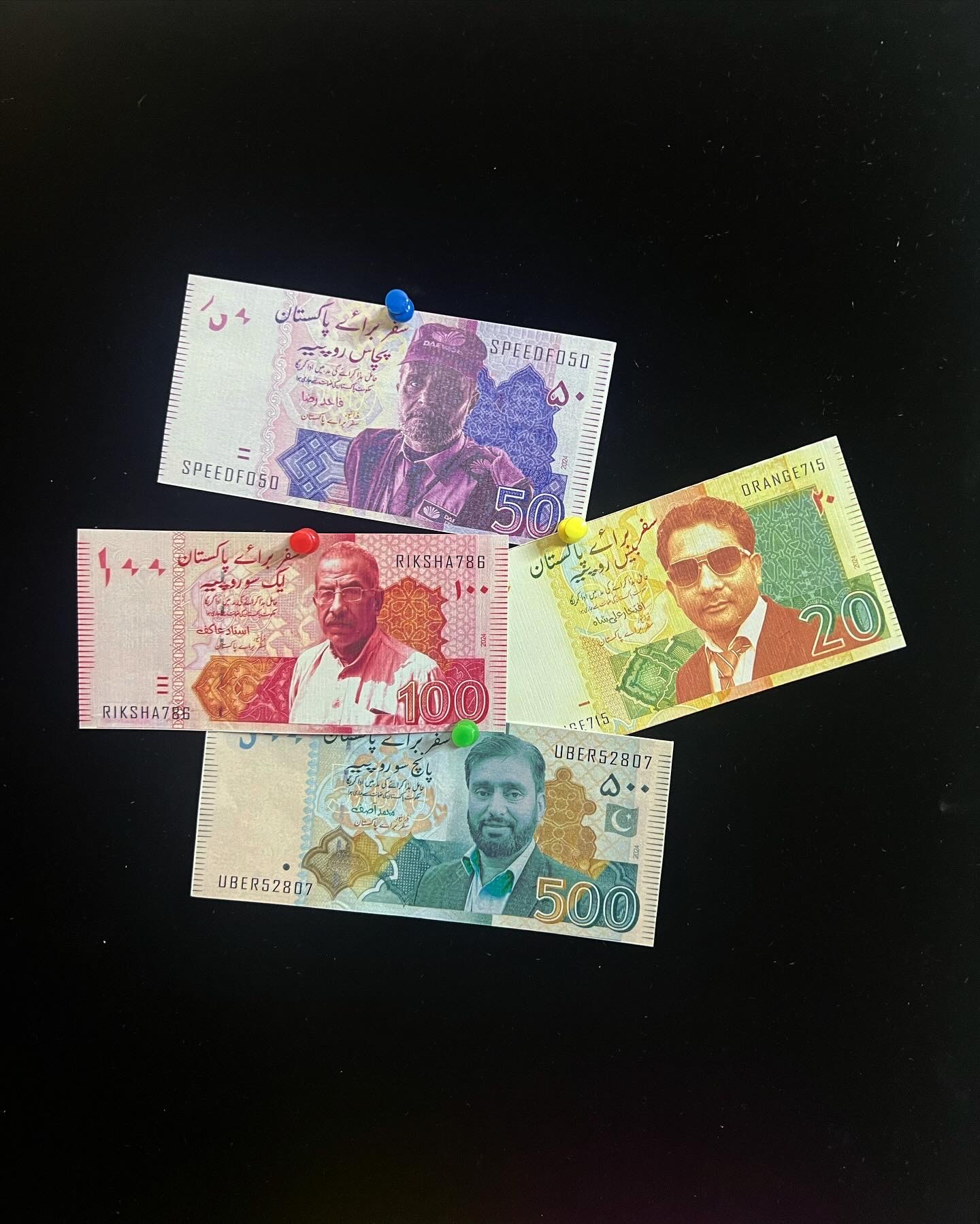
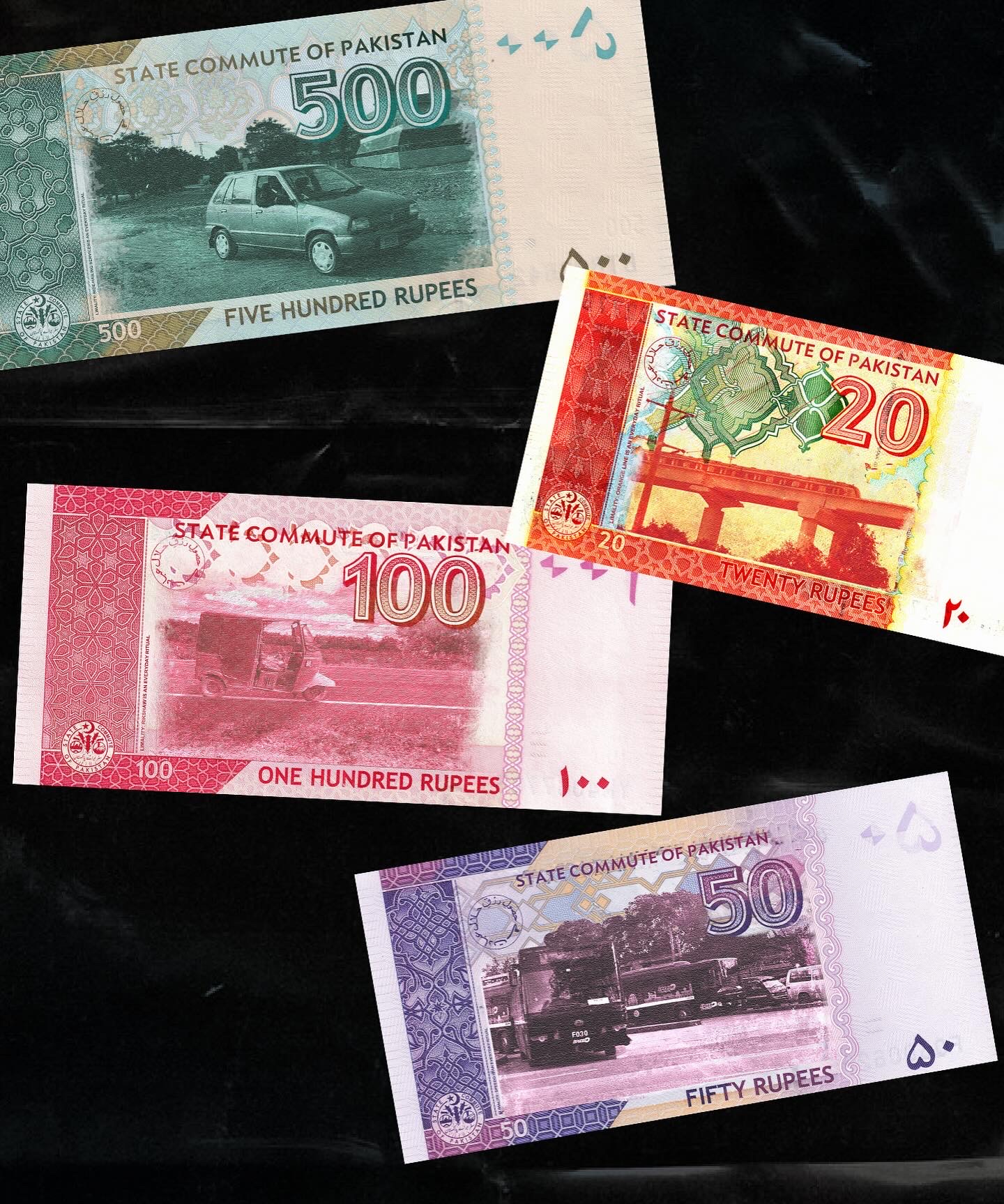
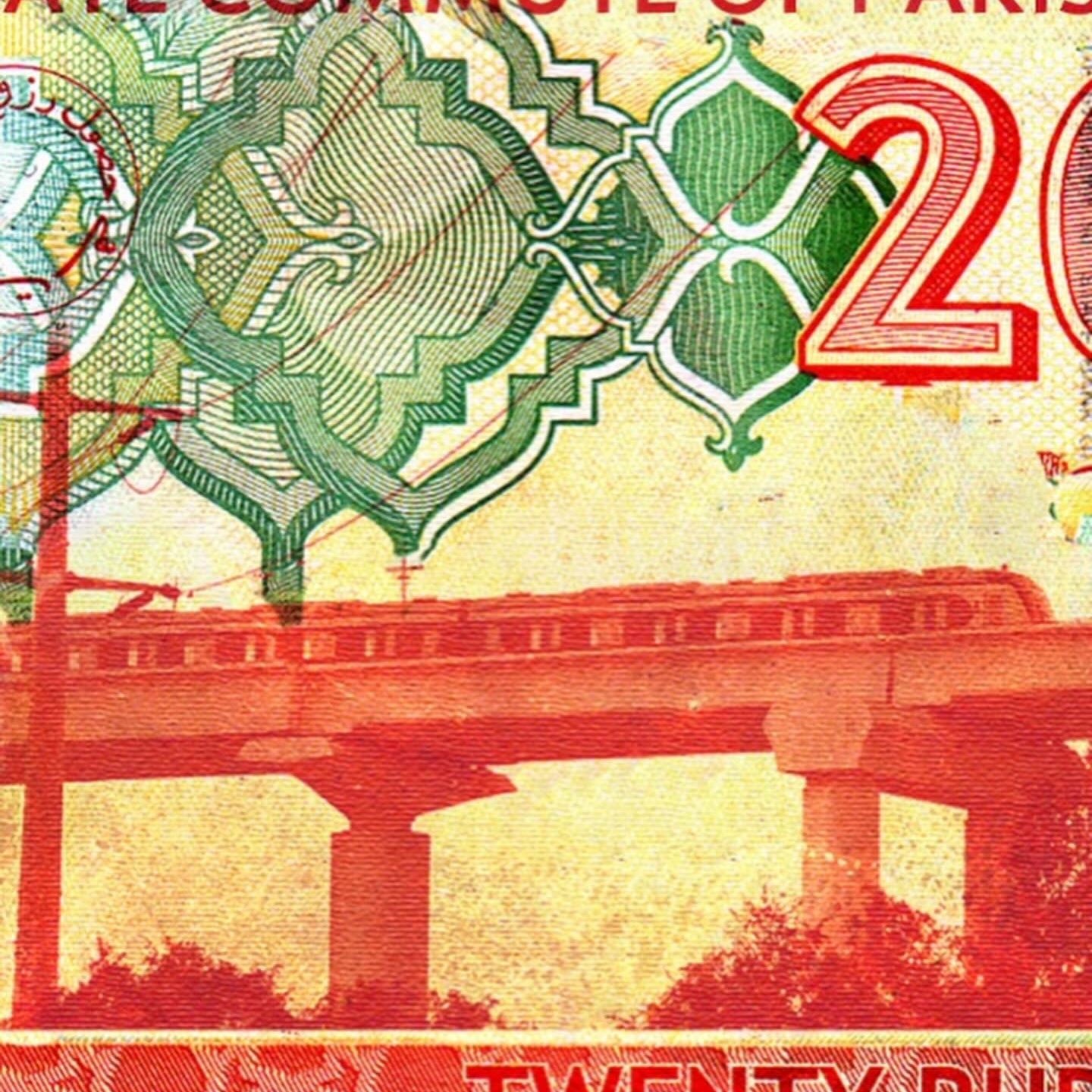




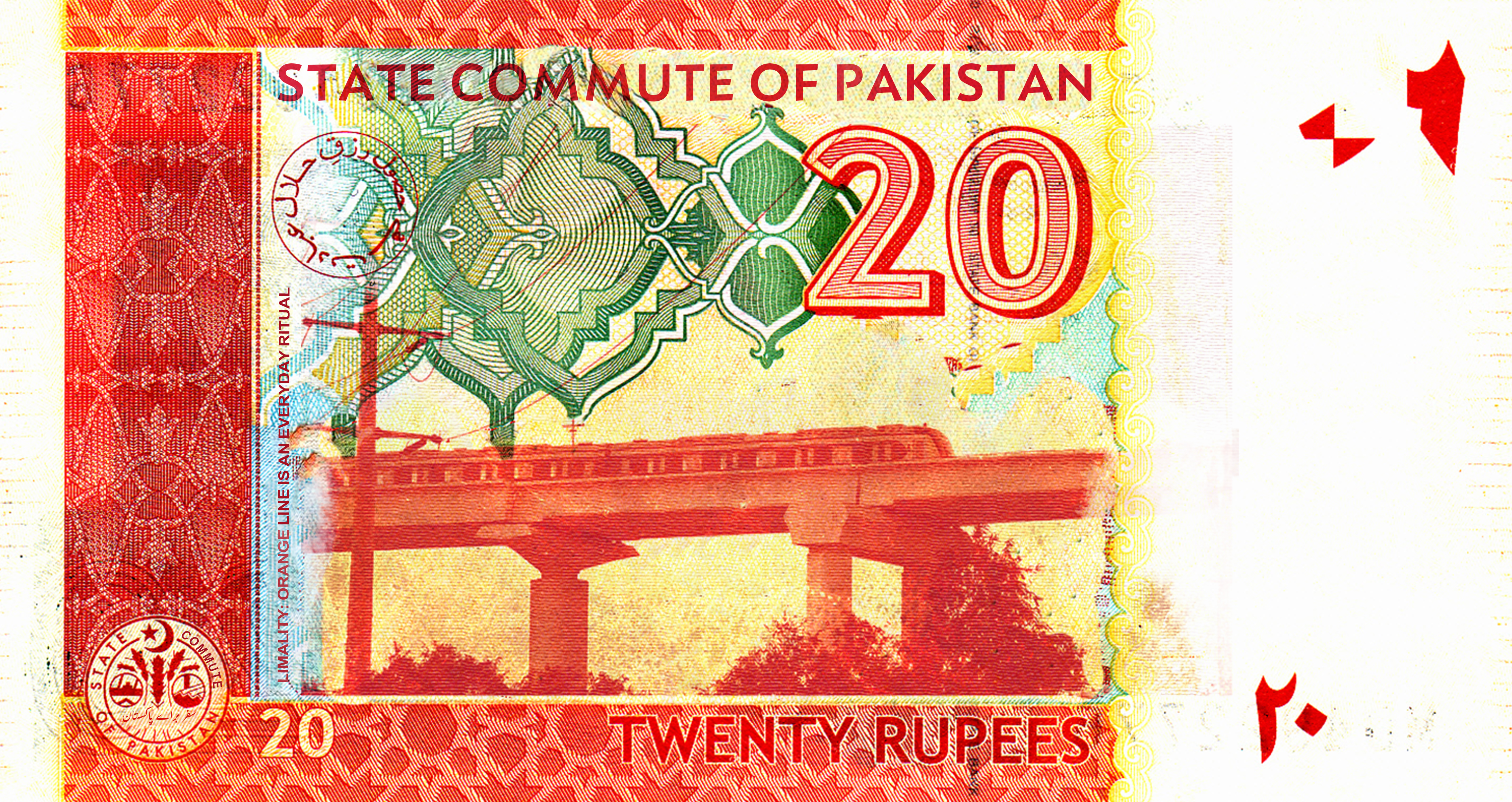
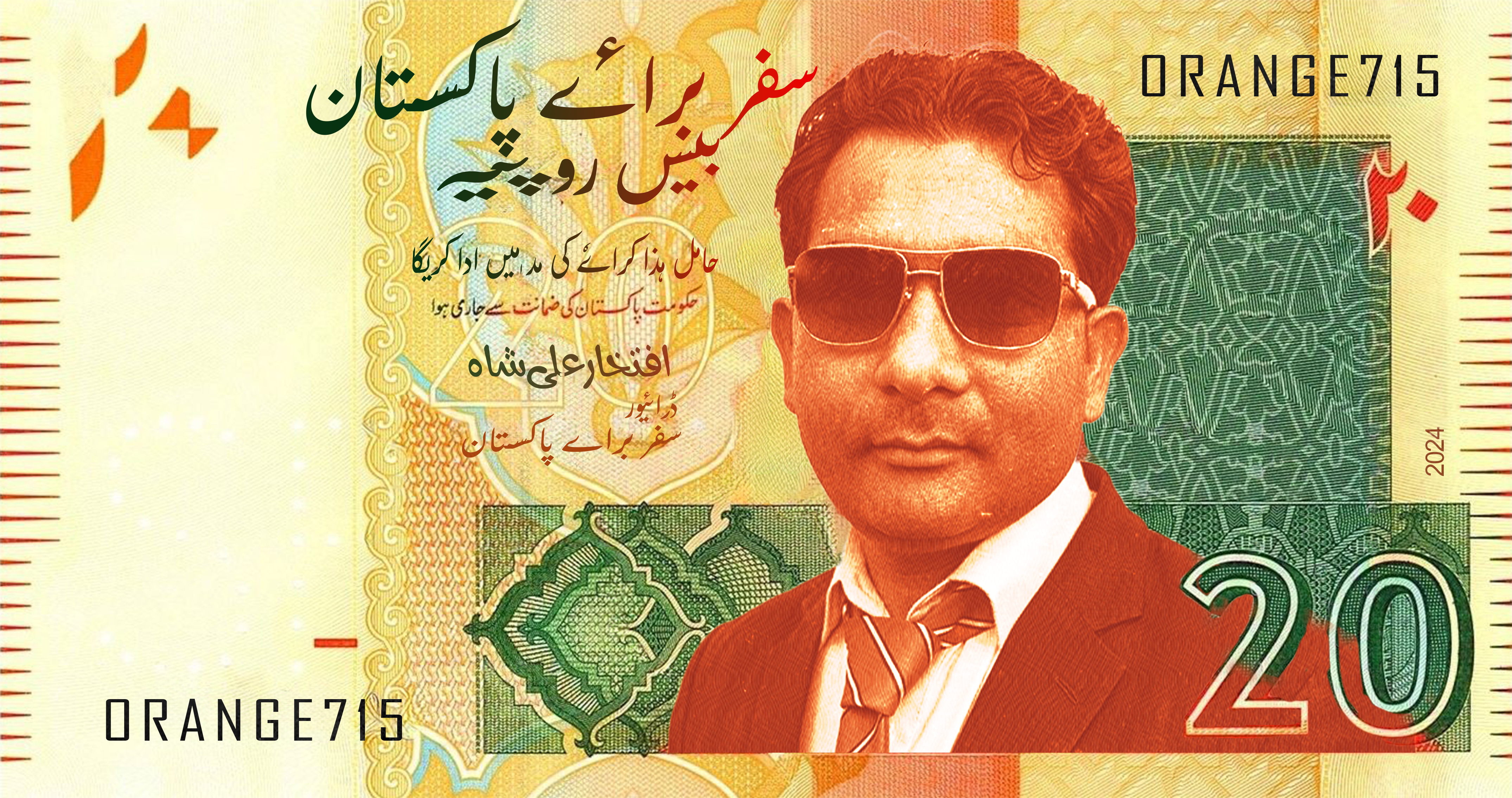
CELEBRATING THE ORANGE LINE AND ITS DRIVERS WITH THE RUPEE 20 NOTE
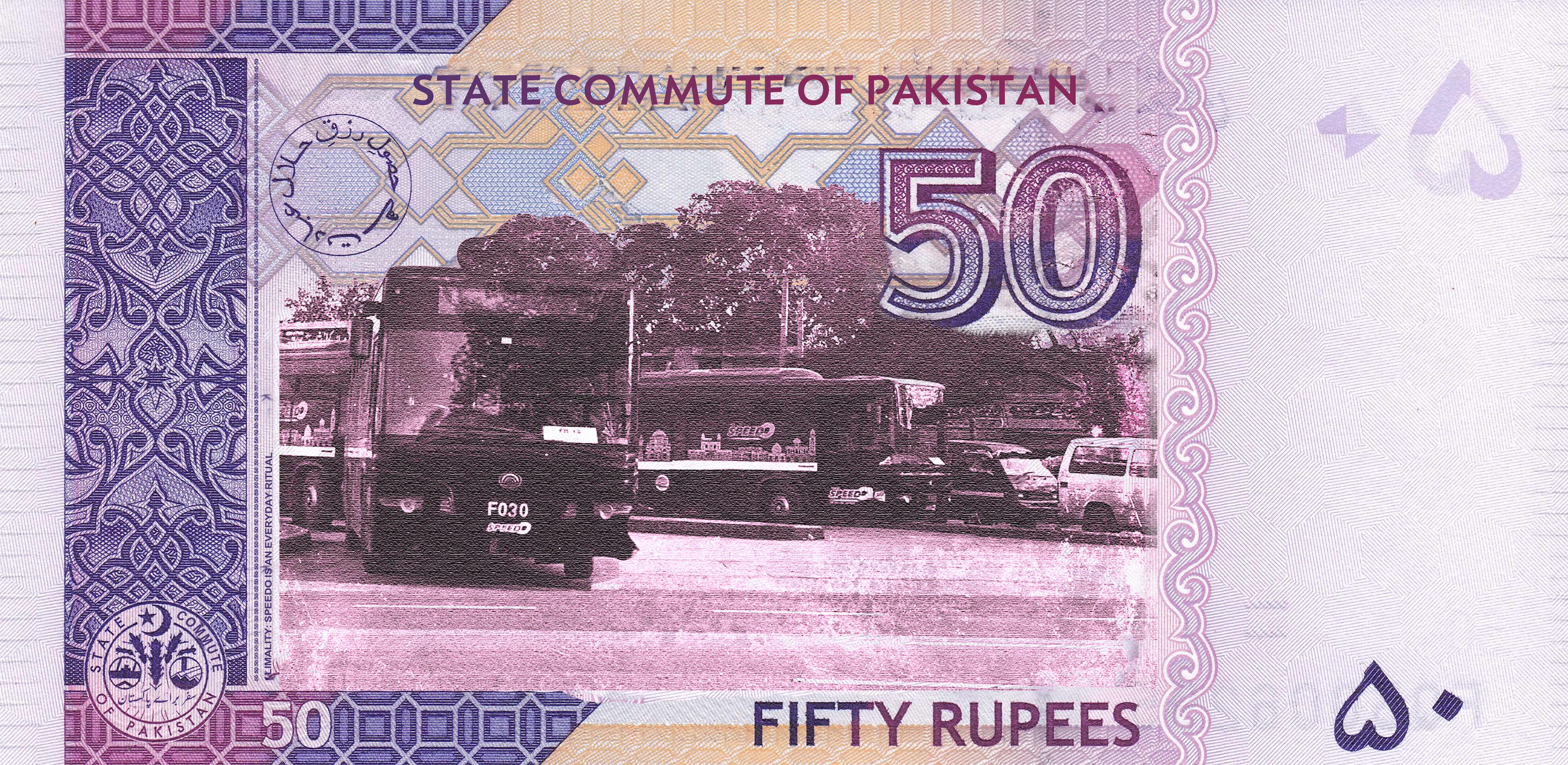
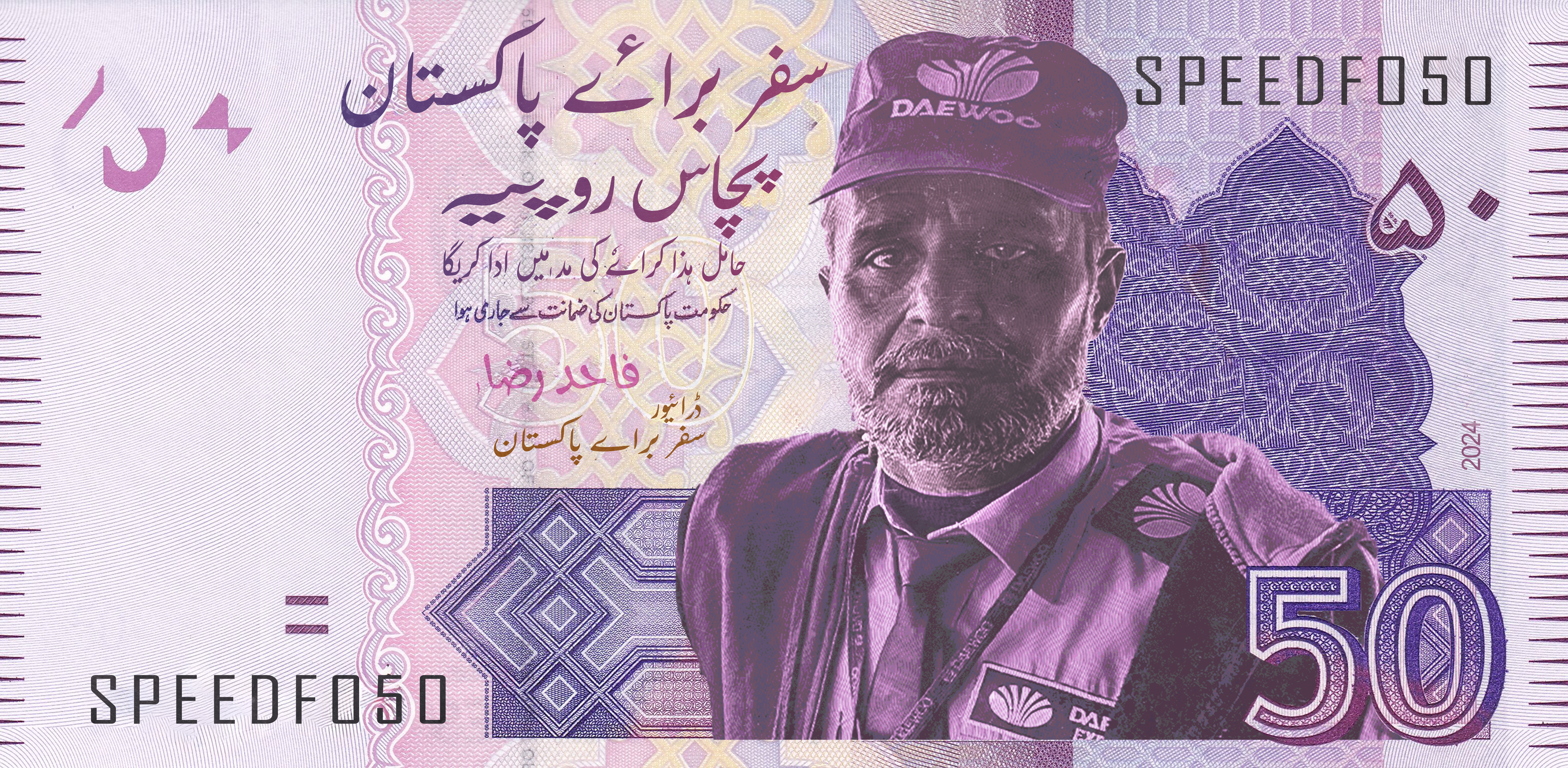
CELEBRATING THE SPEEDO AND ITS DRIVERS WITH THE RUPEE 20 NOTE
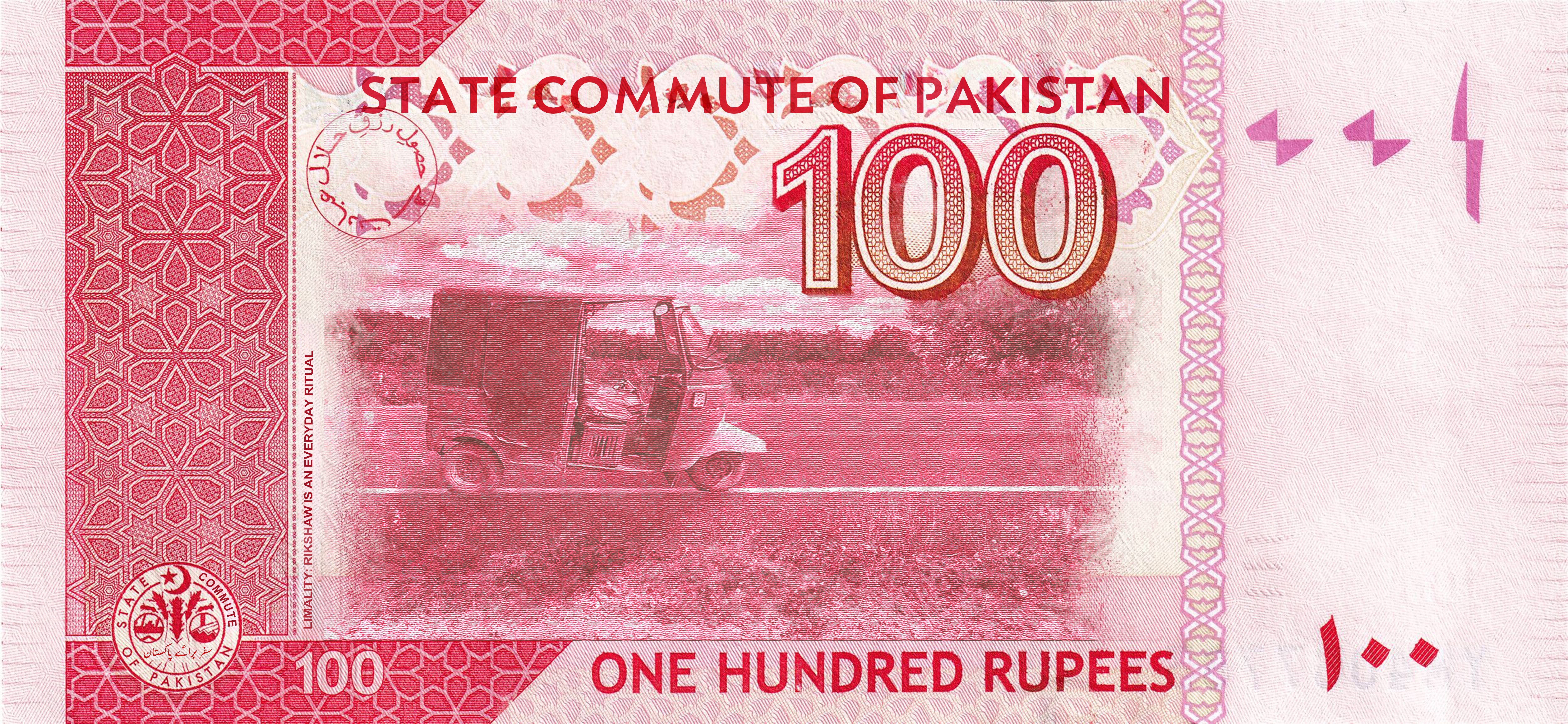
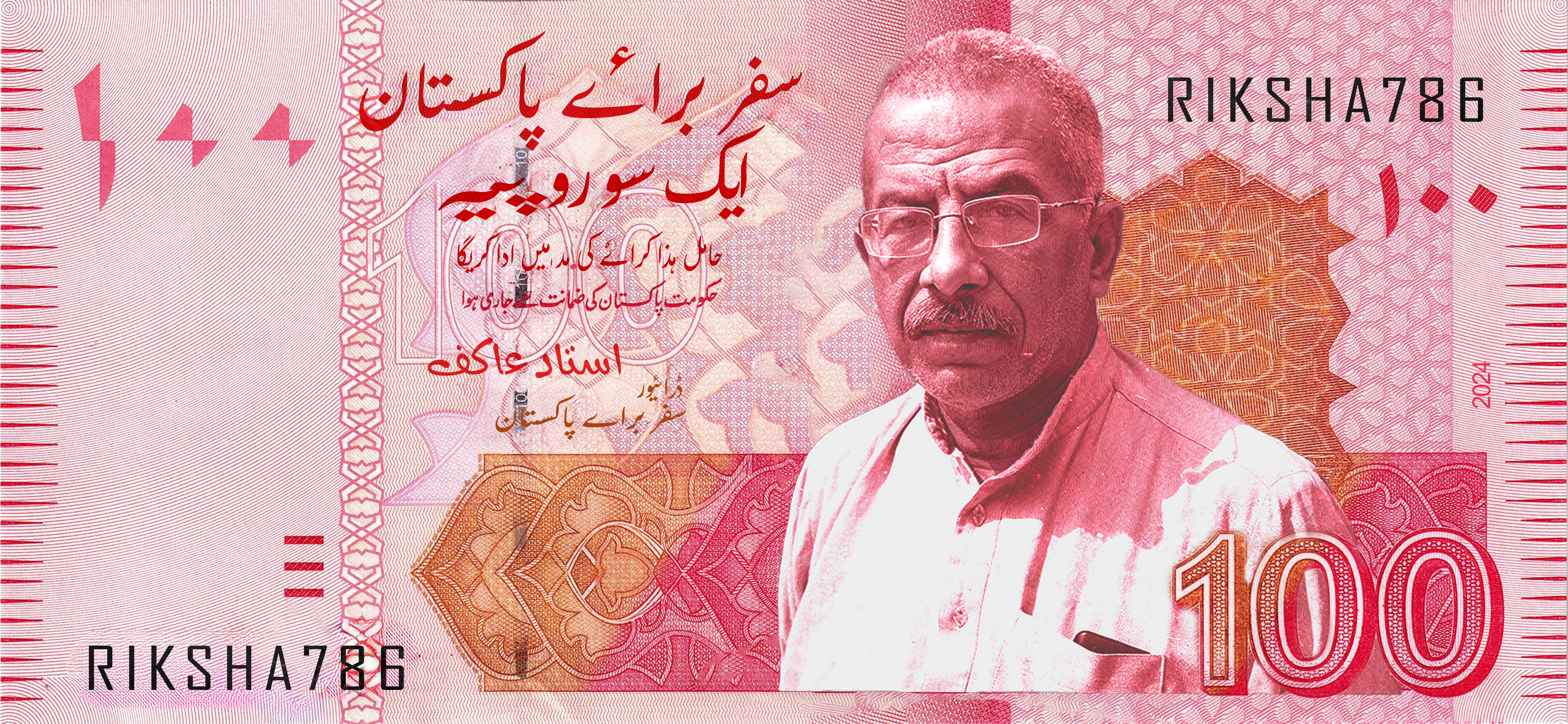
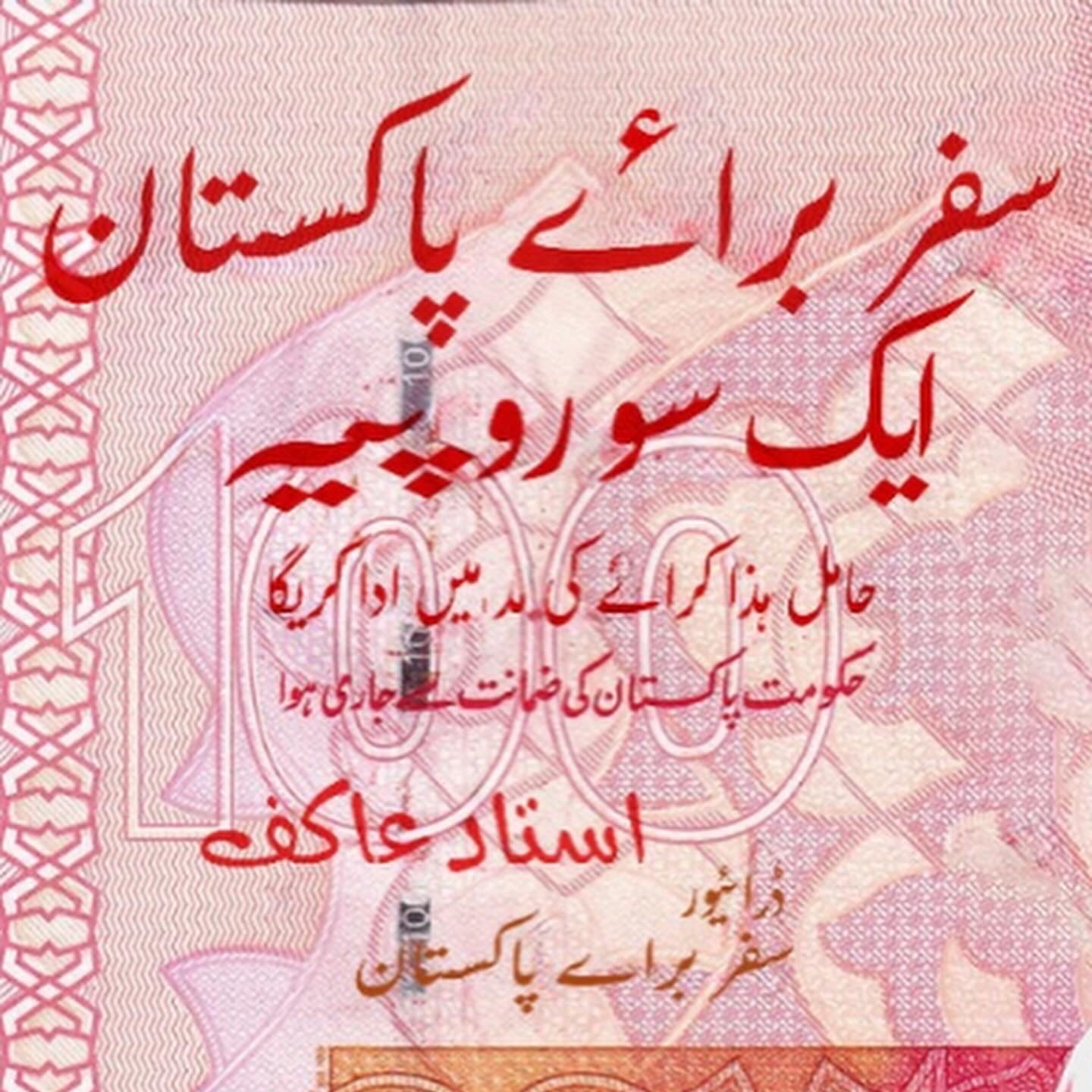
CELEBRATING THE RIKSHAWS AND ITS DRIVERS WITH THE RUPEE 100 NOTE


CELEBRATING THE RIDE SHARING MODES OF TRANSPORT AND ITS DRIVERS WITH THE RUPEE 500 NOTE
a film from my recent project, liminality.
Liminality:
Commute is a ritual
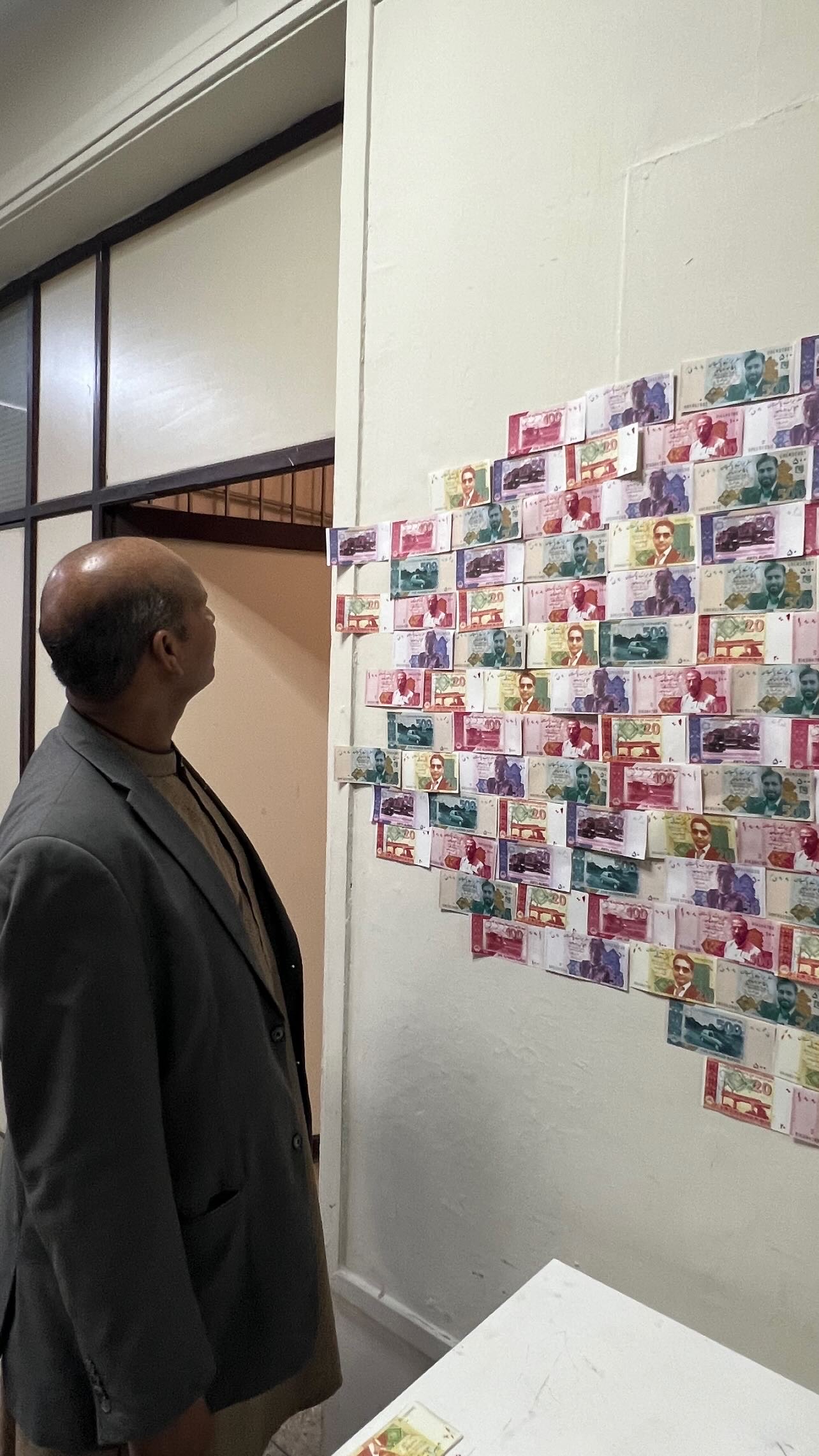
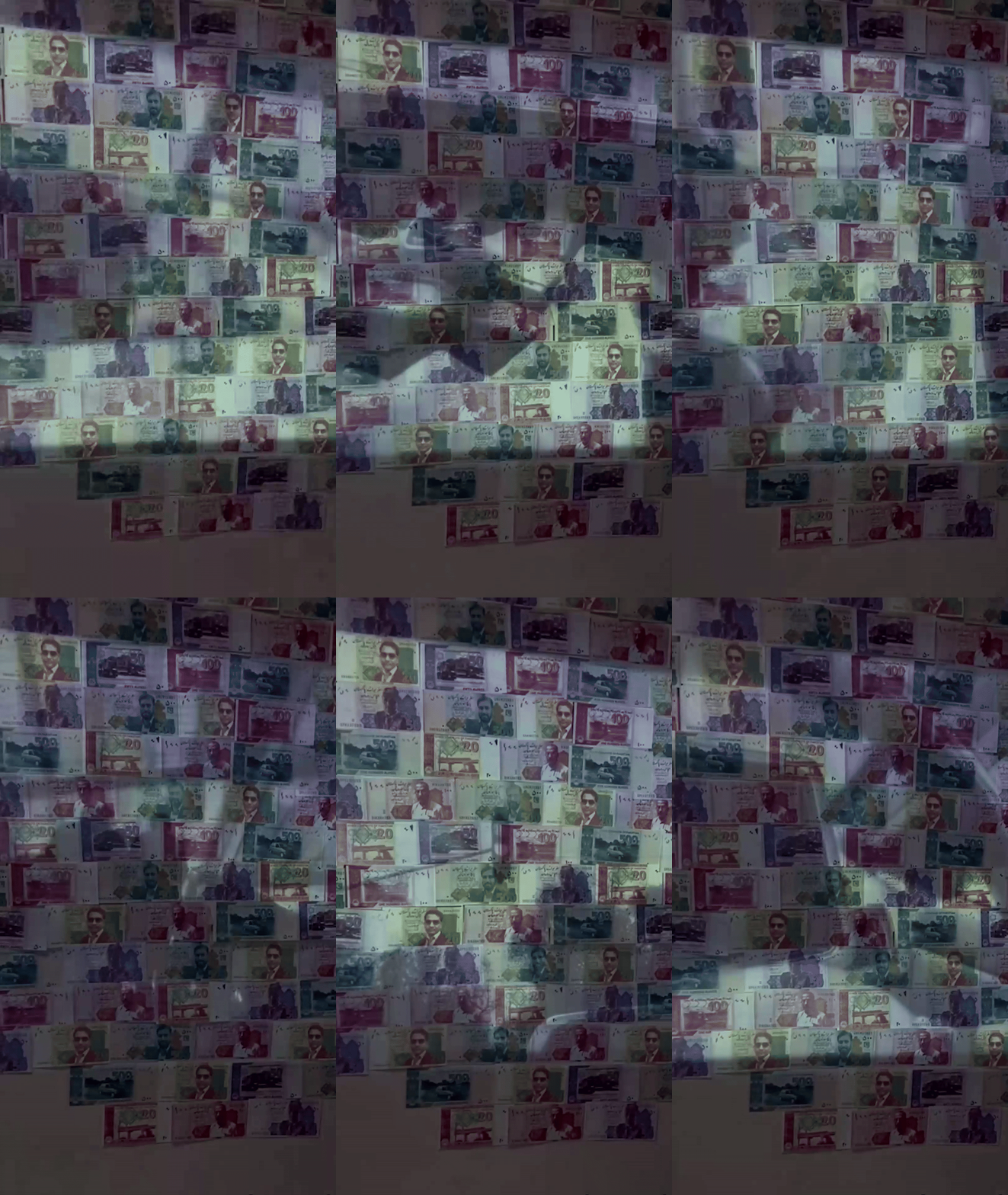
A recent project I’m very proud of and felt like should be on here with the process. I documented actual drivers with their respective mode of transport through my film and remodelled bank notes relative to their model of transports cost with these drivers. I have the utmost respect for all individuals involved.
The concept of commuting serves as a connector among us as humans. It embodies a communal essence which inherently rejects isolation. Regardless of the mode of transport, it remains a transitional phase characterized by movement, repetition and Liminality, akin to ritualistic practices. However, unlike many cultural or religious rituals, commute originates from pure necessity hence without the need of religion of culture.
Commute is seen as the space in between, the transitionary period especially Important In urban settings, With pathways and roads laid, Commute serves as the core for an urban society and completely orchestrates the lives of people but the limality of this constant ritual is especially explored with drivers whose livelihood it is tied to hence becoming an everyday ritual which formulates our life. In urban settings, commuting intertwines with consumerism, this dynamic is vividly portrayed in sectors reliant on drivers, such as in Uber, Careem, deliveries or any medium where livelihoods depend on facilitating this transitional state hence the necessity factor becoming a basic need.
As a basic need and everyday activity, commute explains itself as a ritual but added with livelihood as the biggest stakeholder for those who live and breathe in its liminality, I explore it as a ritual.
 Agha Saad khan